Skip to content

References

Three programmes. One lesson.

The load does not belong on one shoulder.

Three programmes, three stages: when the load rests on one shoulder, when it gets shared under pressure, and when a team carries it together from the start.

12+ years of project experience7 industriesTeams in Germany, China and India1

  1. 1Eigene Projektbilanz (Lebenslauf, Stand 09/2026)
01

When everything depends on one person

Situation

Mid-sized industrial company, modernisation of the development processes

I supported the programme through the change. Fears and resistance decreased, and the managers felt understood. Even so, the project stood still for months when the person who held all the threads became unavailable.

Details: When everything depends on one person

My role

Change support. Workshops with managers, communication and participation formats, including a roadshow for managers and employees.

What changed

Fears and resistance decreased. The people involved saw the added value, felt included and could contribute. The managers in particular felt understood and realised that something had to change.

What happened anyway

All the threads came together with one person, the mind behind the initiative. The team could hardly reach them because they were needed everywhere. Then they were unavailable for months, and the project stood still. After their return it was clear: the same role would have led to the same absence again.

What I do differently today

I take load off such key people proactively and deploy them only where they are truly indispensable.


02

When leadership is under pressure

Situation

Large transformation programme in transport infrastructure, 13 sub-projects1

An influential stakeholder kept questioning the external programme management. I pushed through and organised leadership coaching for the programme management internally; afterwards the focus was back on progress. When the programme management changed, I secured the knowledge transfer and spread the load across several shoulders.

Details: When leadership is under pressure

What was at stake

The programme management changed three times in seven years, once during my time. With every change, knowledge was at risk of being lost, and the load rested on fewer and fewer shoulders.

My role

PMO and support for the programme management, professionally and personally.

What I did

I pushed through internally that the programme management received leadership coaching, organised it, and encouraged and accompanied the managers. When the programme management changed during my time, I secured the knowledge transfer and spread the load in programme management across several shoulders.

What changed

The mood turned. We moved towards each other. We were no longer defenceless against conflicts; we could work on them. Much of it was assumptions, not bad intent. The stakeholder took on a task in one of the sub-projects, where their knowledge and internal access contributed a great deal.

What I take from it

What looks like a power play is often an interpretation. And it pays to talk not only about content but also on a human level. Those were real eye-openers, for the colleagues in the coaching and for me.

03

When the team carries it from the start

Situation

Mid-sized industrial supplier, introduction of a central data system. A business team of eight people, drawn from the business units and with subject-matter specialisation. It involves almost nine business units.1

I built and led the business team and filled every role according to strengths. I modelled what I expect from others, and young colleagues took on responsibility early. Hardly any conflicts, no political games.

Details: When the team carries it from the start

What was at stake

People from many areas, with different personalities and backgrounds, had to carry a system together that affects everyone.

My role

Building and leading the business team, from the vision through the concept to implementation. I kept the overall view and went deep into the subject matter.

What I did

Filled roles according to strengths, a core principle of positive psychology:

  • Whoever works in a particularly structured way is responsible for the overall system as product owner.
  • Whoever is good at mediating leads another specialist team.
  • Whoever is good at bringing people together holds the business units together.

I modelled what I expect from others: approachable in every meeting, from top management to the specialist level, across all business units. As a result, young colleagues took on responsibility early, progress in the project was secured, and everyone worked where they contribute most.

What emerged

A project that grows and pursues a shared vision. People who develop personally along the way. Hardly any conflicts, no political games. People wanted to be part of it, and that created a pull.

  1. 1Eigene Projektbilanz, Kunden und Personen abstrahiert
Published in
it-daily.net logoSpringer Professional logoonpulson.de logo

30 minutes, no agenda. We find out whether and how I can help.

Book an intro call
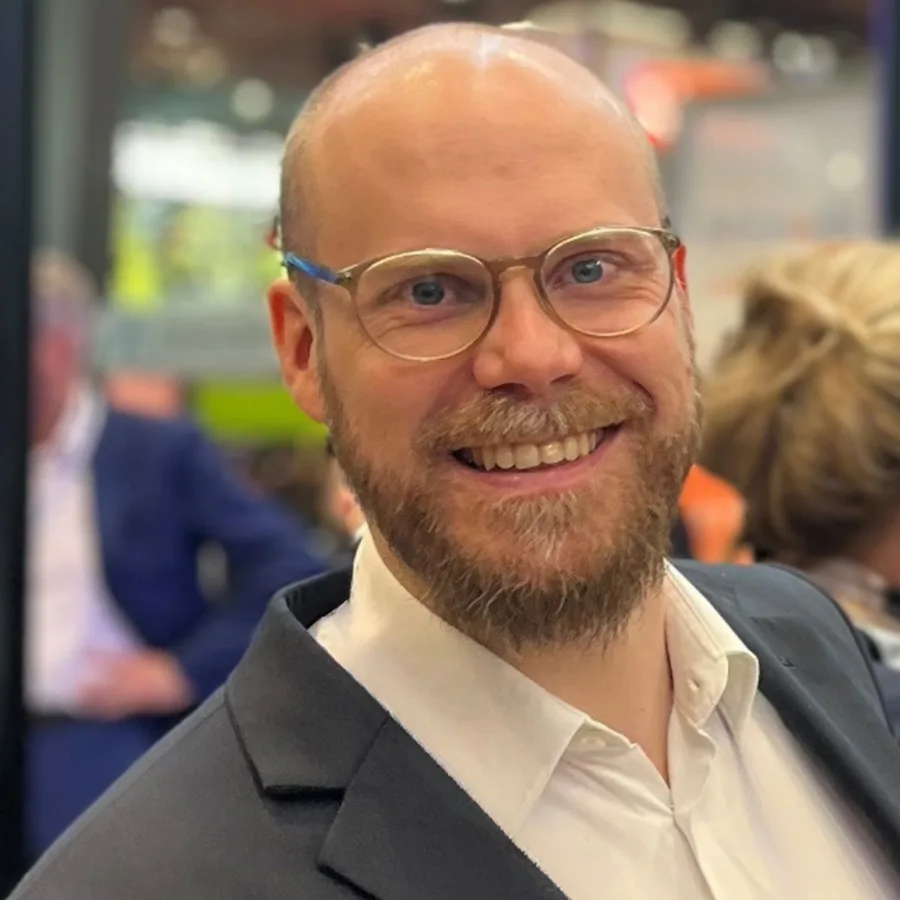
Portrait of Christian Völl in a dark blazer.

This website uses technically necessary cookies. External services for YouTube videos and reviews are only loaded after your consent.

More in our privacy policy