Keynotes
Four topics, one thesis
Each of the four keynotes approaches the same question from a different angle — how your own state shapes an organization's performance.
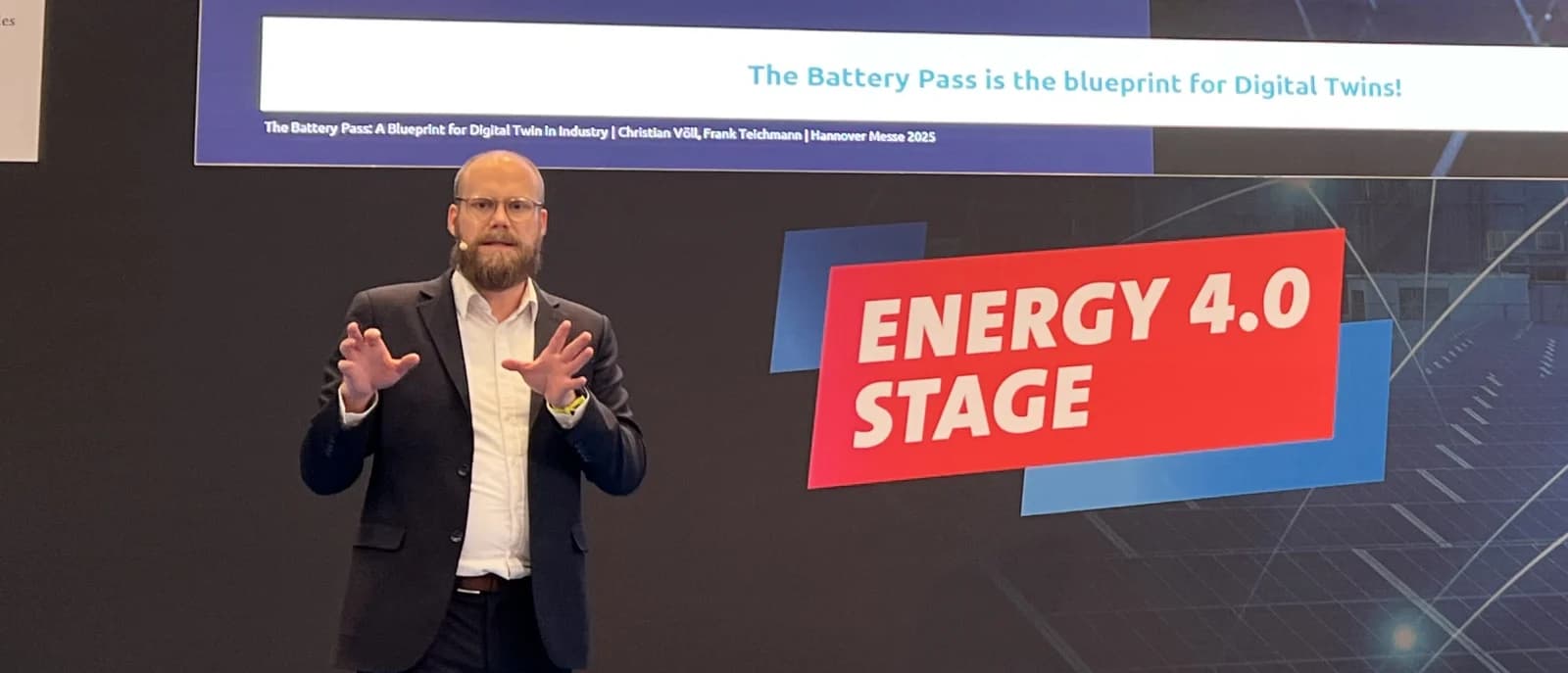
Leading under pressure
Why self-leadership is the first leadership task
For leaders and leadership circles · 50 min. + Q&A
Every leader shapes the emotional climate of their team — even those who don't want to. The question isn't whether, but with what.
In 50 minutes it becomes visible how emotions arise, why they transfer, and at which three points you can intervene. Short exercises make every insight immediately, physically tangible — the aha moment happens in the room, not on the drive home.
What your leadership level takes away
- How your own state travels into the team — and why the negative arrives faster than the positive
- Three points of intervention in how emotions form: body, prediction, naming
- Why empathy is a question of capacity, not of character
- How to address fear in change processes instead of ignoring it
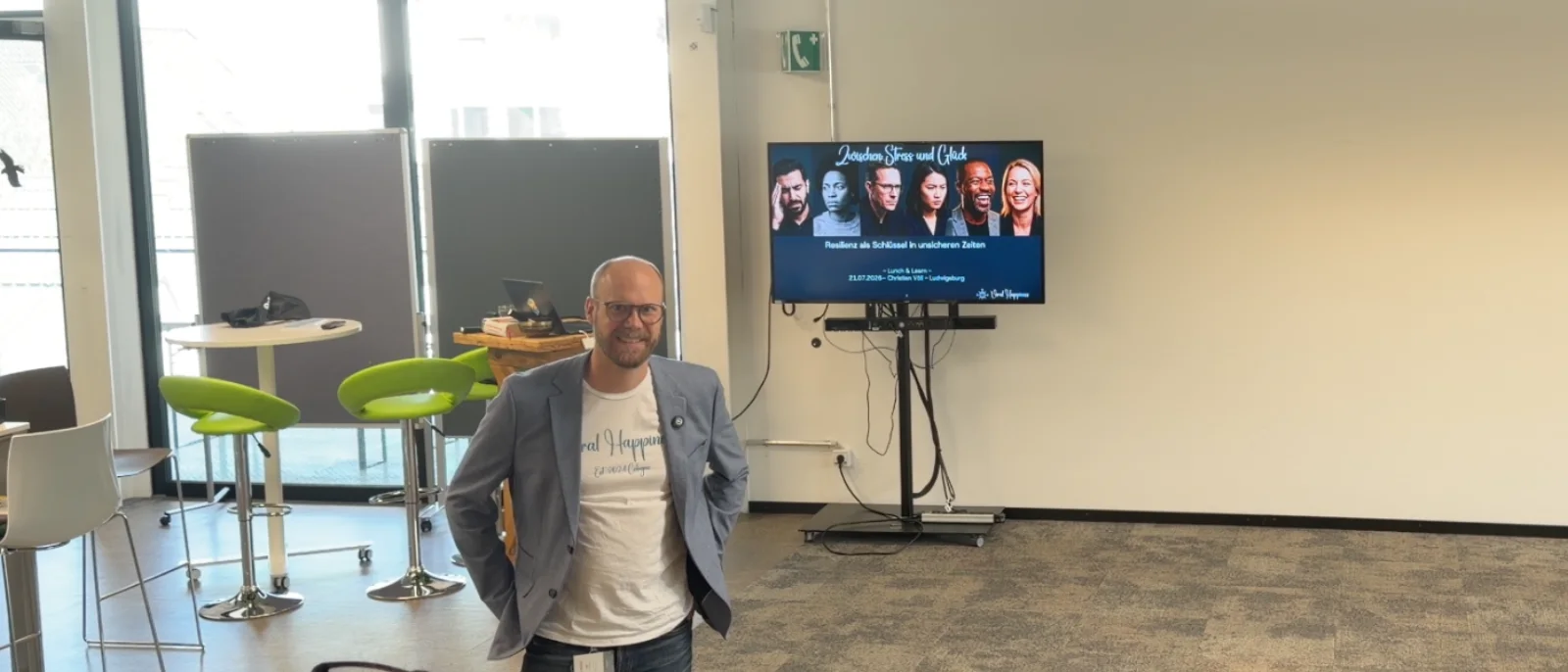
The work dilemma
The trade-off between stress, productivity and satisfaction
Entire workforce, kickoff, leadership offsite · 50 min. + Q&A, also as a compact impulse format
Rising pressure increases performance — up to a point. After that the curve tips, and it tips first among the top performers. Between tension and breakdown lies a trade-off of stress, productivity and satisfaction that no team can organize away — but every team can steer consciously.
It becomes visible what happens in the body under sustained load, which levers actually work, and why resilience is a craft, not a talent. Fight, flight, freeze and fawn aren't individual weaknesses — they become readable as patterns of an entire organization once you know what to look for.
What participants take away
- What happens in the body under pressure — and which levers actually work there
- Physiological, cognitive and social regulation as three separate tools
- Resilience as a team sport: how a team becomes a shield for the individual
- Exercises tried out in the room and applied the next day
Perspective in uncertain times
How organizations stay capable of acting when the future is unclear
Whole organization, restructuring, after bad news · 50 min. + Q&A
Fear of the future is a prediction, not a fact. That sounds like a subtlety and it makes all the difference — because predictions can be tested, facts cannot. What matters is separating what a team can truly influence from what it worries about.
In 50 minutes it becomes visible how a team gets out of paralysis without tipping into blind activism — and what leadership can concretely say when it doesn't have the answer itself.
What participants take away
- Separate the circle of control from the circle of concern — as a team, not as an individual
- Recognize the four stress patterns before they become culture
- How uncertainty turns back into the capacity to act
- What leadership actually says when it doesn't have the answer
Satisfied teams sell more
What customer relationships have to do with the state of your sales team
Sales organizations, sales kickoff · 50 min. + Q&A
Emotional contagion doesn't stop at the team's edge. What research suggests: the state of the sales team carries into the customer conversation too — a depleted team transmits it, and the other side reacts before the first argument is made.
This keynote makes the mechanism tangible and shows where regulation starts before the meeting — not as a motivational boost afterwards. Without any promise of closing rates: the lever is the state, not the technique.
What participants take away
- How your own state transfers into the customer conversation
- Why the negative arrives faster than the positive
- Regulation before the meeting instead of motivation after
- What sales leadership can do for the team's climate
Listen first, then commit.
Every inquiry starts with a conversation about your situation — not with an offer. Afterwards you'll know whether, and which, format fits.